From Community Hall to Popular Fun: Bingo’s Journey Through the 20th Century

From Community Hall to Popular Fun: Bingo’s Journey Through the 20th Century
When Americans hear the word bingo today, they might picture church basements, senior centers, or online games filled with flashing numbers and cheerful calls. But bingo’s story is far richer than that—it’s a tale of community, entertainment, and adaptation through a century of social change. From its modest beginnings as a carnival game to a nationwide pastime, bingo has mirrored the evolving ways Americans come together for fun.
From Italian Lottery to American Church Hall
Bingo’s roots stretch back to 16th-century Italy, where Il Gioco del Lotto d’Italia was played as a state lottery. The game spread through Europe, eventually reaching France and Germany, where it was used both for amusement and as a teaching tool for children learning numbers and spelling.
In the United States, bingo’s modern form took shape in the early 20th century. Traveling carnivals introduced a game called Beano, where players marked beans on numbered cards. The story goes that in the late 1920s, a New York toy salesman named Edwin S. Lowe witnessed the game at a fair in Georgia. When one of his friends accidentally shouted “Bingo!” instead of “Beano,” the name stuck—and a cultural phenomenon was born.
A Game for the People
Bingo quickly found a home in American community life. During the Great Depression, churches and charitable organizations adopted the game as a way to raise funds while offering affordable entertainment. The rules were simple, the cost to play was low, and the excitement of winning—even a small prize—brought people together in tough times.
By the 1950s and 60s, bingo nights had become a fixture in towns across the country. Church basements, veterans’ halls, and school gyms filled with players clutching cards and daubers, hoping to be the first to call out that magic word. For many, it wasn’t just about winning—it was about belonging. Bingo nights were social events where neighbors caught up, families gathered, and laughter echoed through the room.
Læs også:


From Paper Cards to Plastic Chips
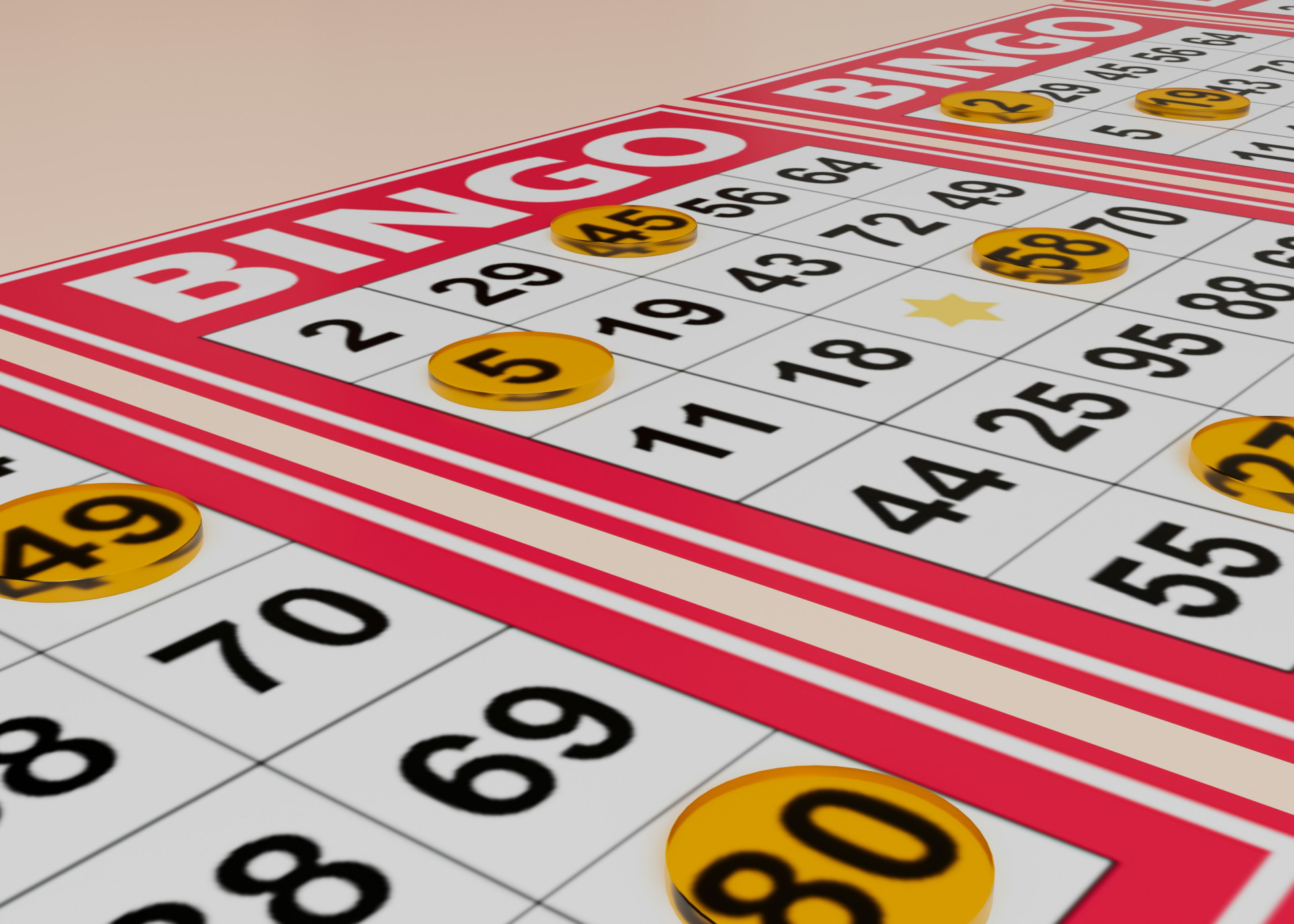
As technology advanced, so did the game. In the mid-20th century, reusable cards with sliding windows or plastic chips replaced the old paper sheets. Mechanical ball cages gave way to electric number callers, making the game faster and more efficient. Some players missed the slower, more personal pace of the old days, but the new systems allowed for larger crowds and more organized play.
Bingo also began to appear in new settings—on cruise ships, at county fairs, and in retirement communities. It became a symbol of leisure and Americana, a game that could be played anywhere people gathered for fun.
The Boom and the Backlash
The 1970s and 80s marked bingo’s golden age in the United States. Large bingo halls opened in cities, often run by charities or Native American tribes, offering cash prizes and drawing hundreds of players each night. The game’s popularity soared, and for some, it became a serious hobby—or even a livelihood.
But with growth came scrutiny. Concerns about gambling addiction and regulation led to tighter controls in many states. Still, the community spirit of bingo endured. In small towns and parishes, volunteers brewed coffee, sold homemade pies, and handed out prizes donated by local businesses. The heart of bingo remained the same: a shared experience built on anticipation, chance, and camaraderie.
From Hall to Screen – Bingo in the Digital Age
The arrival of the internet in the late 1990s and early 2000s brought bingo into a new era. Online bingo sites allowed players to join games from home, often with chat rooms and virtual prizes that recreated the social feel of traditional halls. For many older players, it became a way to stay connected; for younger ones, it offered a nostalgic twist on a classic pastime.
In recent years, bingo has even found a place in pop culture. “Drag bingo” nights, bar bingo, and themed events have reimagined the game for a new generation, blending humor, music, and performance. What was once seen as a pastime for retirees has become a quirky, inclusive form of entertainment that bridges generations.
A Game That Brings People Together
Bingo’s journey through the 20th century is more than the story of a game—it’s a reflection of American community life. Whether played in a church hall, a tribal casino, or on a smartphone, bingo continues to offer what it always has: a moment of shared excitement, a sense of belonging, and the simple joy of hoping that the next number called will be yours.
From community hall to popular fun, bingo’s enduring appeal reminds us that even in a changing world, the thrill of connection never goes out of style.
Læs også:


