The Changing Role of Game Developers in the Digital Age


The Changing Role of Game Developers in the Digital Age
Just a few decades ago, game development was a niche craft practiced by small teams of programmers and artists creating titles for physical consoles and personal computers. Today, it has evolved into a global cultural industry that spans from independent creators to billion-dollar corporations. Games are no longer just entertainment—they are social platforms, learning tools, and immersive digital worlds. The digital age has transformed not only the games themselves and the players who enjoy them, but also the very role of the game developer.
From Code and Graphics to Experience Design
In the early days, game development was primarily a technical pursuit: making graphics, sound, and gameplay work together. Now, the developer’s role is far broader. Games must not only function smoothly but also deliver meaningful experiences that keep players engaged over time. This requires an understanding of psychology, user experience, and community dynamics.
Modern game developers often act as experience designers. They think in terms of emotions, storytelling, and social interaction—not just code and polygons. A successful game must capture attention, foster identification, and offer something that feels personally relevant, whether it’s a massive online world or a simple mobile puzzle.
Games as Social Spaces
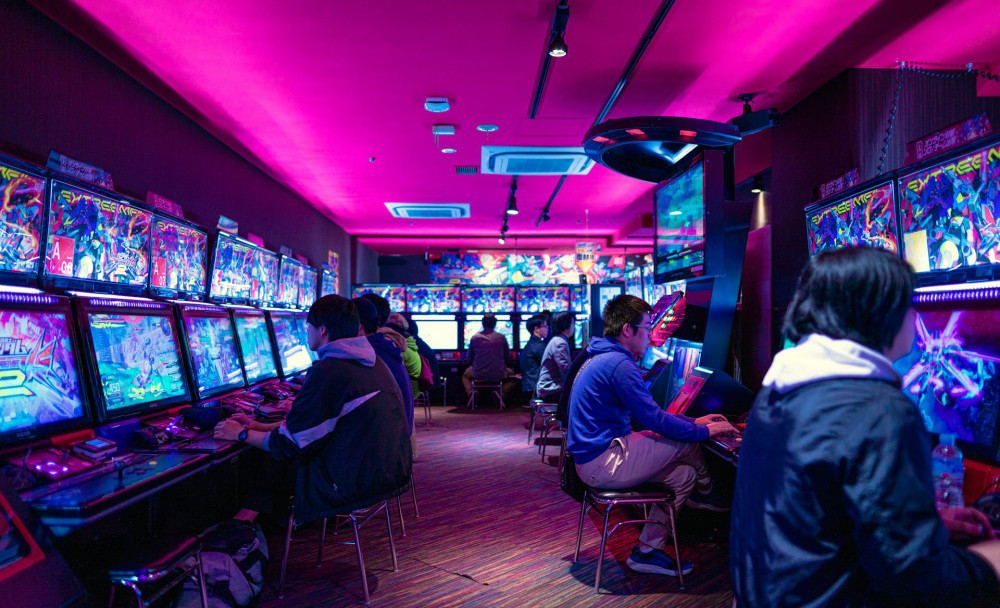
One of the most striking shifts in the digital era is that games have become social environments. Titles like Fortnite, Roblox, and Minecraft are not just games—they are virtual meeting places where millions of people interact, create, and communicate.
For developers, this means designing not just a product but a living ecosystem. They must consider player behavior, community management, moderation, and digital ethics. This new reality demands ongoing responsibility and maintenance, turning developers into a kind of digital community architect.
Læs også:



Data, Algorithms, and Personalization
The digital age has also made data a central part of game development. By analyzing player behavior, developers can adjust the experience in real time—from difficulty levels to reward systems. This allows for more engaging and personalized gameplay but also raises ethical questions about surveillance and manipulation.
Where is the line between creating a motivating experience and exploiting player habits? It’s a dilemma many developers face today, especially as in-game economies and microtransactions have become standard business models.
Creative Freedom in a Commercial World
While technology has opened new creative possibilities, it has also introduced new pressures. Major publishers and platforms demand constant updates, new content, and monetization strategies. This can challenge the creative freedom that many developers value.
At the same time, digital distribution platforms like Steam, the Epic Games Store, and mobile app markets have made it easier for small studios to reach global audiences. The indie scene is thriving, with many developers choosing independence to focus on artistic expression, social commentary, or experimental gameplay.
The Future Developer: Technologist, Storyteller, and Ethicist
As technologies like artificial intelligence, virtual reality, and blockchain continue to evolve, the role of the game developer will only grow more complex. Tomorrow’s developers will need to combine technical expertise with creativity and ethical awareness. Games are no longer just products—they are cultural expressions that shape how we understand and interact with the world.
The digital age has turned game development into a multidisciplinary field where art, technology, and society intersect. The modern game developer is no longer just a programmer, but a storyteller, designer, and co-creator of the digital culture that defines our time.
Læs også: