Community at the Craps Table: How Cheers and Interaction Influence Player Behavior

Community at the Craps Table: How Cheers and Interaction Influence Player Behavior
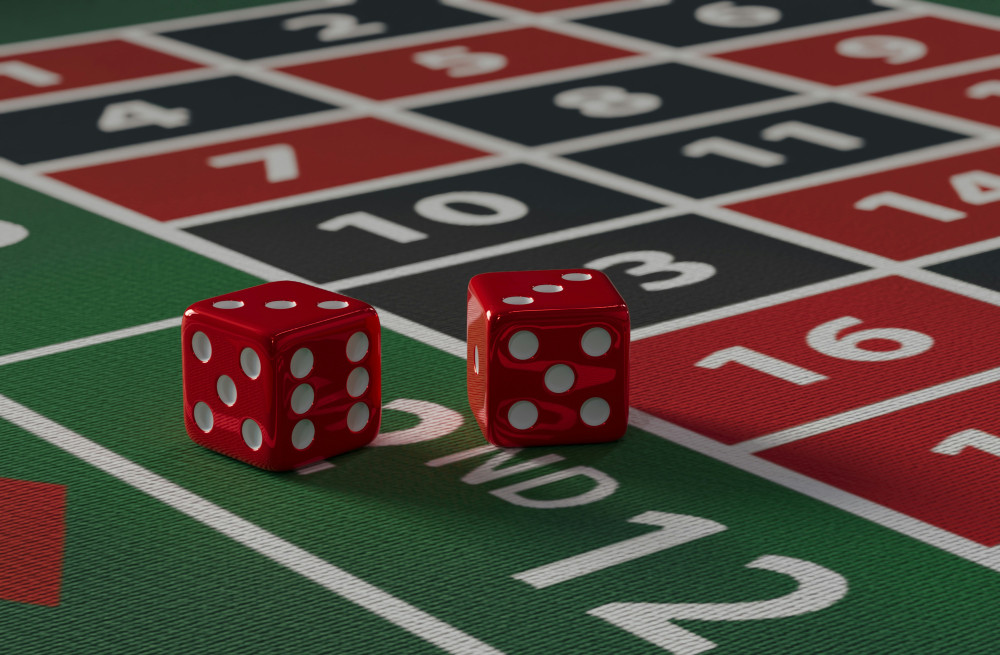
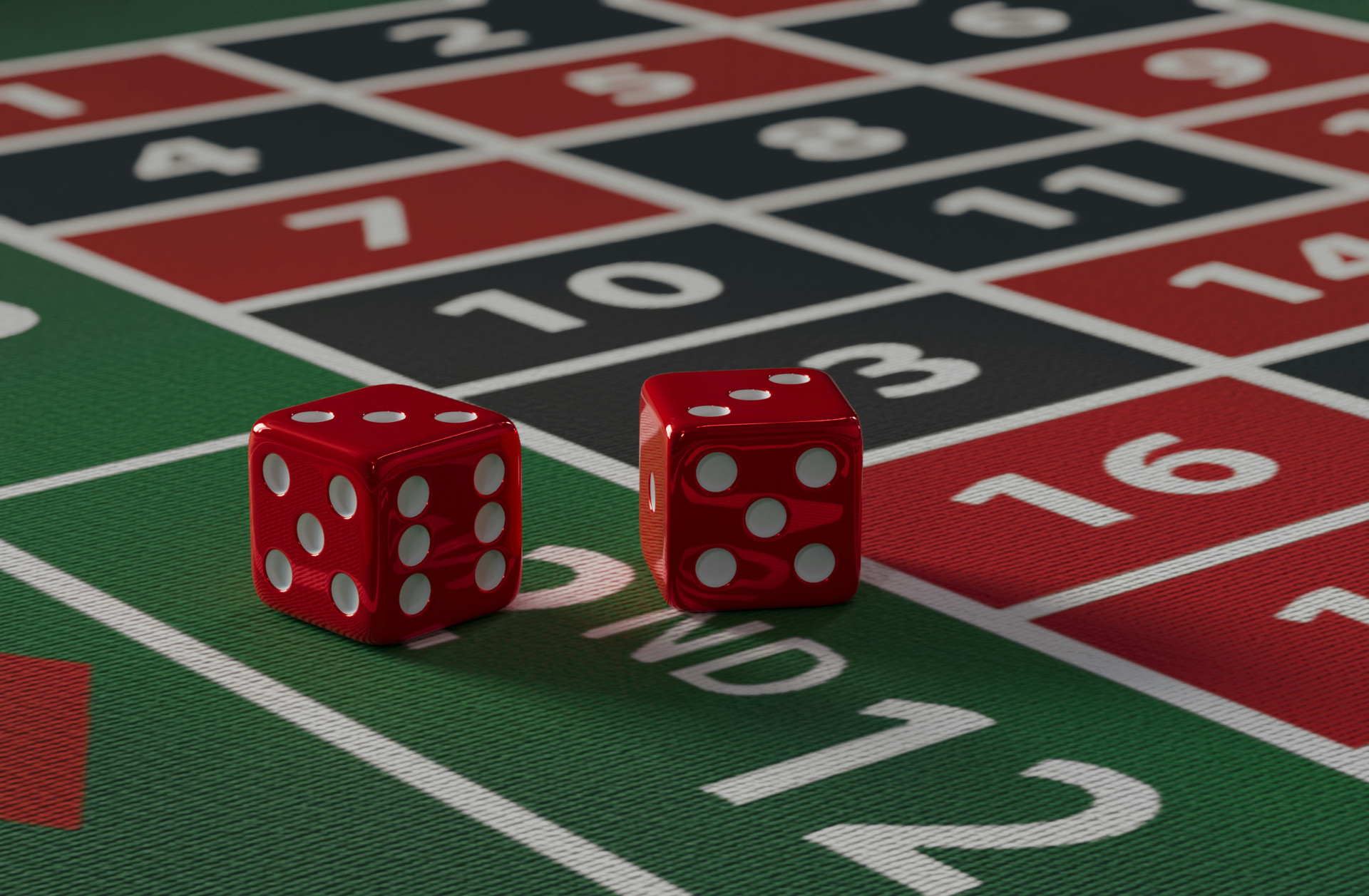
Walk into any casino in Las Vegas or Atlantic City, and you’ll likely hear one table rise above the rest — the craps table. Laughter, cheers, and collective gasps fill the air as dice tumble across the felt. Craps isn’t just a game of chance; it’s a social experience, a shared moment of excitement that draws strangers together. But what is it about this game that makes it so communal, and how does that sense of togetherness shape the way people play?
A Game Built on Energy and Connection
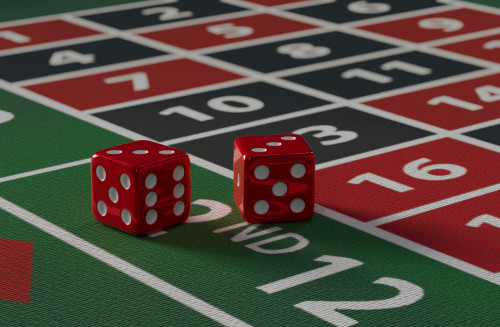
Unlike slot machines or blackjack, craps is inherently collective. Everyone at the table is invested in the same roll. When the “shooter” throws the dice, the entire group holds its breath. A winning roll sparks applause and high-fives, while a loss can bring a chorus of groans. This shared emotional rhythm creates a unique energy — one that many players describe as the heart of the game’s appeal.
At the craps table, it’s not just about winning money. It’s about being part of something larger — a temporary community where strangers root for each other, celebrate together, and share in the suspense of every toss.
The Power of Social Contagion
Psychologists have long studied how group dynamics influence decision-making, and gambling is no exception. When the atmosphere is electric and others are cheering, players are more likely to take risks. This phenomenon, known as “social contagion,” describes how emotions and behaviors spread through a group.
At a craps table, that might mean a cautious player decides to keep betting after a few wins, swept up by the optimism of the crowd. The collective excitement can amplify confidence — and sometimes cloud judgment. It’s part of what makes the game thrilling, but also a reminder of how easily emotion can override reason in a social setting.
Rituals, Superstitions, and Shared Traditions
Craps is rich with rituals and unwritten rules. Some players refuse to say certain words, others have lucky ways of throwing the dice. These small traditions serve as social glue, reinforcing a sense of belonging. When everyone participates in the same rituals, a shared identity forms around the table.
Even superstition has a communal function. When a shooter gets “hot” — winning roll after roll — the crowd gathers closer, feeding off the streak. The belief in luck becomes a shared story, one that binds the group together, even though the outcome is purely random.
Læs også:

From Casino Floors to Online Screens
As online casinos grow in popularity, craps has found a new home in the digital world. But can the same sense of community survive behind a screen? Many platforms now feature live dealers, chat functions, and virtual tables that allow players to interact in real time. While it’s not quite the same as standing shoulder to shoulder in a buzzing casino, these innovations show that the social side of craps remains central to its appeal.
Even online, players seek connection — a shared moment of excitement, a quick exchange of encouragement, a sense that they’re part of something happening together.
When Community Becomes Both Strength and Challenge
The social nature of craps is both its greatest strength and its biggest risk. On one hand, it makes the game more engaging, inclusive, and fun. On the other, the group’s energy can lead to impulsive decisions and overconfidence. Recognizing one’s limits — even when the crowd is roaring — is key to keeping the experience enjoyable and responsible.
Ultimately, craps is about more than dice and odds. It’s about people — the laughter, the tension, the fleeting sense of unity that comes from sharing a moment of chance. That’s what keeps players coming back: not just the possibility of winning, but the thrill of belonging.
Læs også: