Logic and Discipline: The Path to More Strategic Results in Casino Games

Logic and Discipline: The Path to More Strategic Results in Casino Games
For many Americans, casino games are synonymous with luck, excitement, and the thrill of a big win. Yet behind the flashing lights and spinning reels lies another layer — one of logic, discipline, and strategy. While chance will always play a central role, a thoughtful and controlled approach can make the difference between a fleeting rush and a more rewarding, sustainable experience. This article explores how logical thinking and self-discipline can help you achieve more strategic results — and more enjoyment — when playing casino games.
Understanding the Nature of the Game
The first step toward a strategic mindset is understanding how casino games actually work. Every game — whether it’s roulette, blackjack, poker, or slots — has its own rules, probabilities, and house edge. Knowing these fundamentals is essential if you want to make informed decisions.
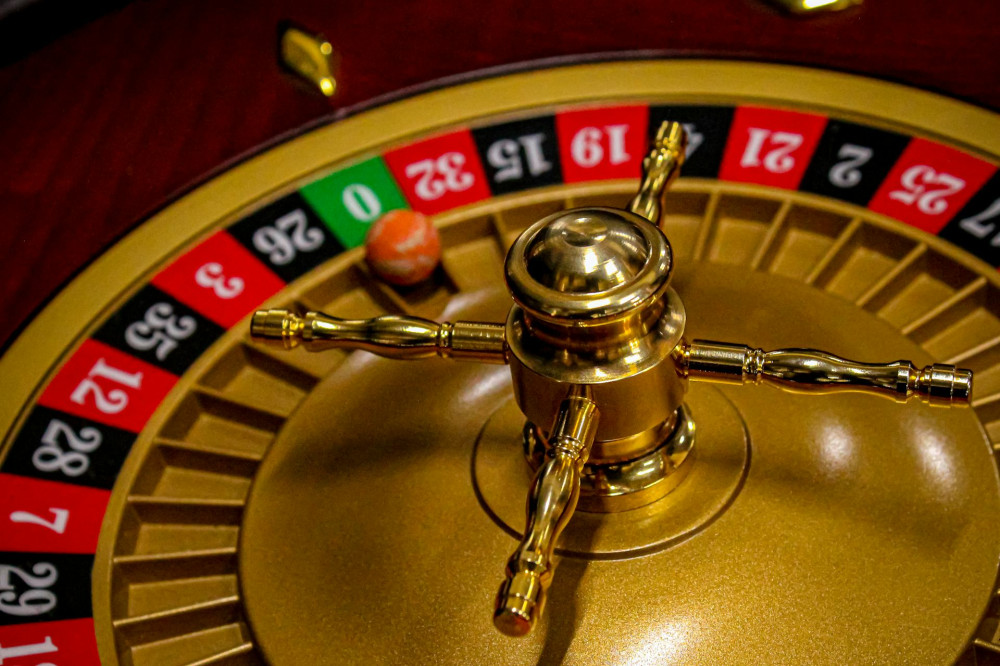
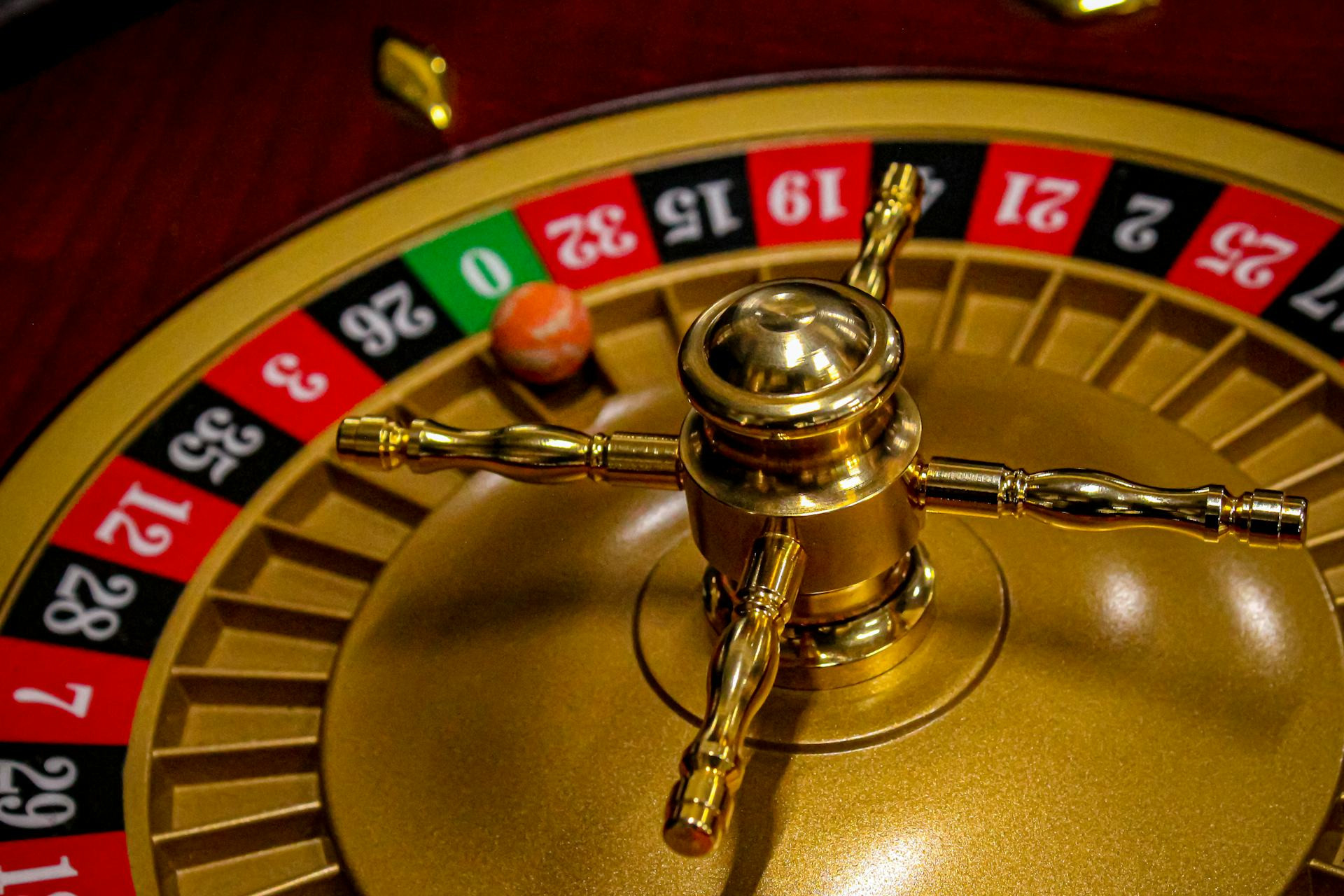
- Roulette is all about probability. You can’t predict where the ball will land, but you can choose bets with lower risk and steadier outcomes.
- Blackjack blends luck and strategy. With logical play and knowledge of the odds, you can significantly reduce the house advantage.
- Poker is largely a game of psychology and decision-making. Reading your opponents and managing your own reactions are key to long-term success.
- Slot machines are purely random, but you can still select games with higher return-to-player (RTP) percentages to improve your long-term chances.
Understanding how much control you truly have is part of a logical approach. It helps you set realistic expectations and avoid the emotional traps that often lead to poor decisions.
Discipline – The Overlooked Key
Even the best strategy collapses without discipline. Many players lose not because they play badly, but because they lose control when emotions take over. Discipline means knowing when to stop, sticking to your plan, and maintaining focus — even when things are going well.
A few core principles can help:
- Set a budget — and stick to it. Decide in advance how much you’re willing to spend, and treat it as the cost of entertainment.
- Define your goals. Are you playing for fun, for excitement, or to test your strategy? Clear goals make it easier to stay focused.
- Take breaks. Long sessions increase the risk of impulsive decisions. A short pause can help you regain perspective.
- Don’t chase losses. Trying to win back lost money is one of the most common — and costly — mistakes.
Discipline isn’t just about willpower; it’s about creating systems that support it. That might mean setting a timer, keeping a record of your sessions, or limiting your play to specific times.
Logical Thinking in Practice
Logic in casino gaming isn’t about finding a secret formula — it’s about making rational choices based on data and probability. That means:
- Analyzing patterns without falling for illusions. Many players believe a certain outcome is “due,” but in games of chance, each spin or hand is independent.
- Choosing games with a lower house edge. Games like blackjack and baccarat offer better long-term odds than many others.
- Using strategic tools. In poker, for example, probability calculations and positional strategy can improve your decision-making.
- Evaluating your results. By tracking your play, you can identify where you make sound decisions — and where emotions take over.
Logical thinking ultimately means taking responsibility for your choices and recognizing that even in games of chance, your behavior can shape your experience.
Læs også:

The Mental Dimension
Casino gaming isn’t just about numbers and odds — it’s also a mental game. Staying calm when you lose and humble when you win are both parts of strategic discipline. Many professional players work deliberately on their mindset, viewing the game as a process rather than a chase for quick rewards.
A healthy mental approach can include:
- Accepting randomness. You can’t control outcomes — only your reaction to them.
- Viewing losses as learning. Every session offers insight into your habits and decision-making.
- Keeping perspective. Gambling should be entertainment, not a financial plan.
When you combine logic with mental discipline, the game becomes not only more controlled but also more satisfying.
Strategic Results Are About More Than Winning
Playing strategically doesn’t necessarily mean winning more — it means playing better. It’s about making conscious choices, understanding risk, and enjoying the game without losing balance. Logic and discipline aren’t the opposite of fun; they’re what make responsible gaming possible.
Casino games will always involve chance, but your approach can determine whether your experience feels impulsive or intentional. When you play with your head — not just your hopes — the results tend to be steadier, more meaningful, and ultimately more rewarding.
Læs også: