Lottery Through the Ages: A Part of Culture and Traditions Around the World

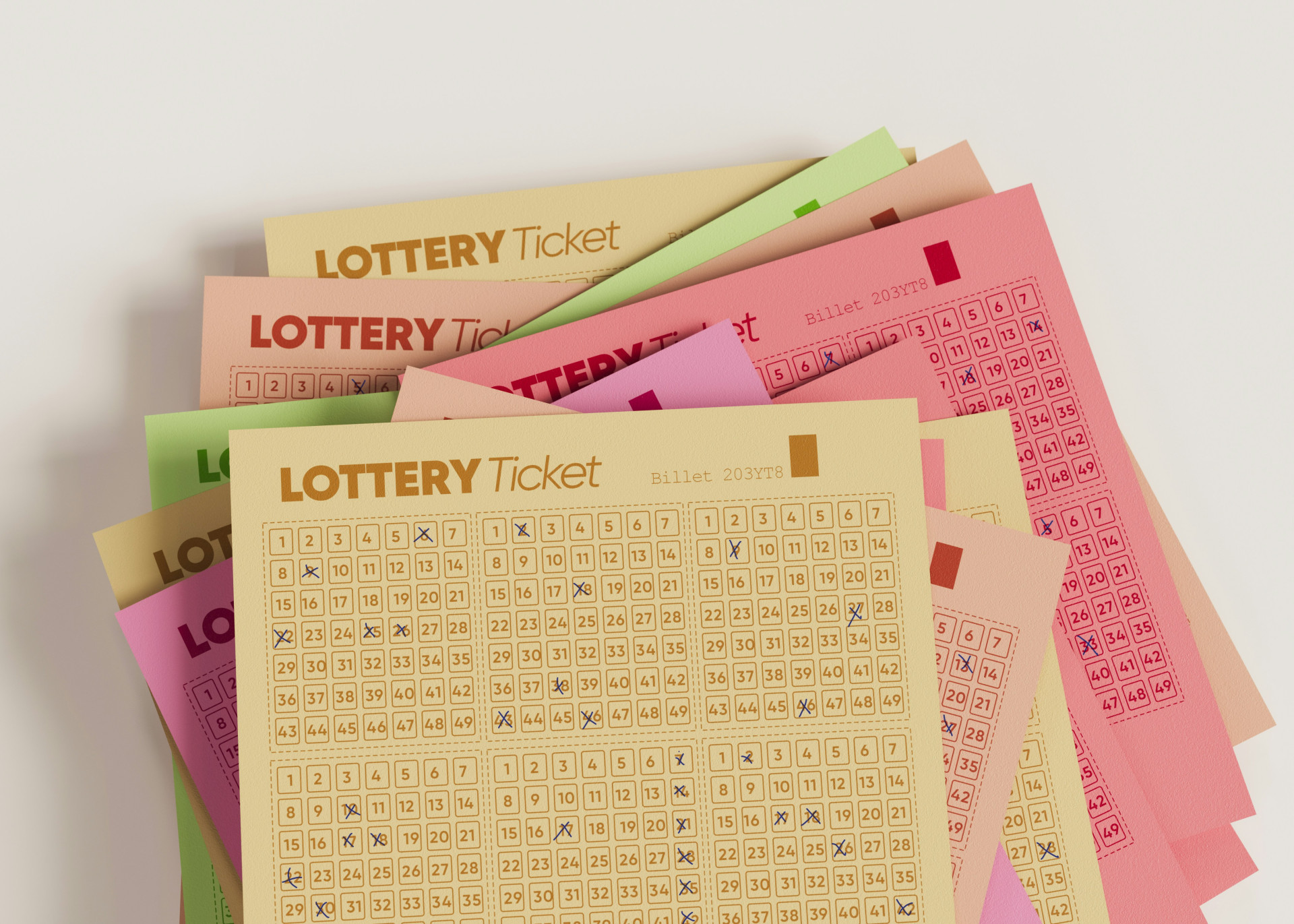
Lottery Through the Ages: A Part of Culture and Traditions Around the World
For millions of people around the world, buying a lottery ticket is more than just a game of chance—it’s a ritual of hope. Each week, players pick their numbers, dream of life-changing wins, and share in a collective moment of anticipation. But the lottery is not merely about money; it’s a cultural phenomenon with deep historical roots that reflect how societies dream, celebrate, and give back.
From Ancient Drawings to State Lotteries
The idea of drawing lots to determine fate is as old as civilization itself. In ancient China, games resembling lotteries were used to fund major public works, including sections of the Great Wall. In Rome, emperors held lotteries during feasts, offering prizes ranging from fine art to slaves. These early games combined entertainment with civic purpose—a theme that continues today.
The first official lottery resembling the modern version appeared in 16th-century Italy, known as Lo Giuoco del Lotto d’Italia. What began as a way to assign political offices soon evolved into a game for money. The concept spread rapidly across Europe, and by the 17th and 18th centuries, governments were using lotteries to finance public projects such as bridges, hospitals, and universities.
The Lottery in American History
Lotteries have played a surprisingly important role in the history of the United States. In the colonial era, they helped fund the establishment of some of the nation’s earliest institutions, including Harvard, Yale, and Princeton. Even the Continental Congress used a lottery to raise money for the Revolutionary War. Though public opinion toward gambling fluctuated over the centuries, the lottery has remained a recurring part of American life.
Modern state lotteries began to reemerge in the 1960s, starting with New Hampshire in 1964. Today, nearly every U.S. state operates its own lottery, often using proceeds to support education, infrastructure, and community programs. For many Americans, the weekly drawing—whether it’s Powerball, Mega Millions, or a local scratch-off—is a small but meaningful tradition.
Læs også:


A Shared Dream Across Cultures
Around the world, lotteries have taken on unique cultural roles. In the United Kingdom, the National Lottery funds arts and sports initiatives. In Spain, the annual Christmas lottery, El Gordo, is a beloved national event that brings families and communities together. In many developing countries, lotteries are used to support social welfare programs and public health efforts.
What unites these traditions is not just the pursuit of wealth, but the shared experience of hope. Psychologists note that lotteries appeal to our innate optimism—the belief that fortune might smile upon us, even against the odds. For many, buying a ticket is less about expectation and more about participation in a collective dream.
The Digital Age and Global Jackpots
In the 21st century, the lottery has gone digital. Online platforms and mobile apps allow players to participate anytime, anywhere. Massive international jackpots like Powerball and EuroMillions have created global communities of players who follow drawings across time zones and borders. Technology has also made it easier for lotteries to support charitable causes, continuing a centuries-old tradition of giving back.
A Mirror of Society
The lottery reflects the societies that play it. In some places, it represents a glimmer of hope in tough economic times; in others, it’s a lighthearted pastime shared among friends and families. Despite changes in technology and culture, the essence remains the same: the thrill of possibility, the joy of dreaming, and the sense of connection that comes from sharing in a moment of chance.
From ancient emperors to modern-day smartphone users, the lottery endures because it speaks to something deeply human—the desire to believe that, with a little luck, anything is possible.
Læs også:


