What Is a Sweepstakes, and How Does It Differ from Other Games and Contests?

What Is a Sweepstakes, and How Does It Differ from Other Games and Contests?
Sweepstakes are one of the simplest and most common forms of promotional games in the United States, where luck alone determines the outcome. They are used by companies, organizations, and media outlets to attract attention, reward customers, or promote products. But what exactly defines a sweepstakes, and how does it differ from other types of games and contests where skill or payment might play a role?
What Is a Sweepstakes?
A sweepstakes is a random drawing in which winners are selected purely by chance from among all eligible entries. Every participant has an equal opportunity to win, and the result is not influenced by knowledge, skill, or effort.
Sweepstakes can take many forms: participants might enter by filling out an online form, mailing in a postcard, or following a brand on social media. Regardless of the method, the defining feature is that the winner is chosen randomly, not based on performance or merit.
The Purpose and Use of Sweepstakes
In the U.S., sweepstakes are primarily used as marketing tools. Businesses use them to increase brand awareness, grow mailing lists, or encourage customer engagement. For example, a company might offer a chance to win a vacation or a new car simply for signing up for a newsletter or making a purchase (as long as a free entry option is also available).
Sweepstakes can also be used by nonprofits or media organizations to raise awareness or reward audience participation. The appeal lies in their simplicity: anyone can enter, and everyone has the same chance to win.
How Sweepstakes Differ from Other Games
Although sweepstakes fall under the broad category of games of chance, they differ significantly from other types of games and contests in how winners are determined and how participants can enter.
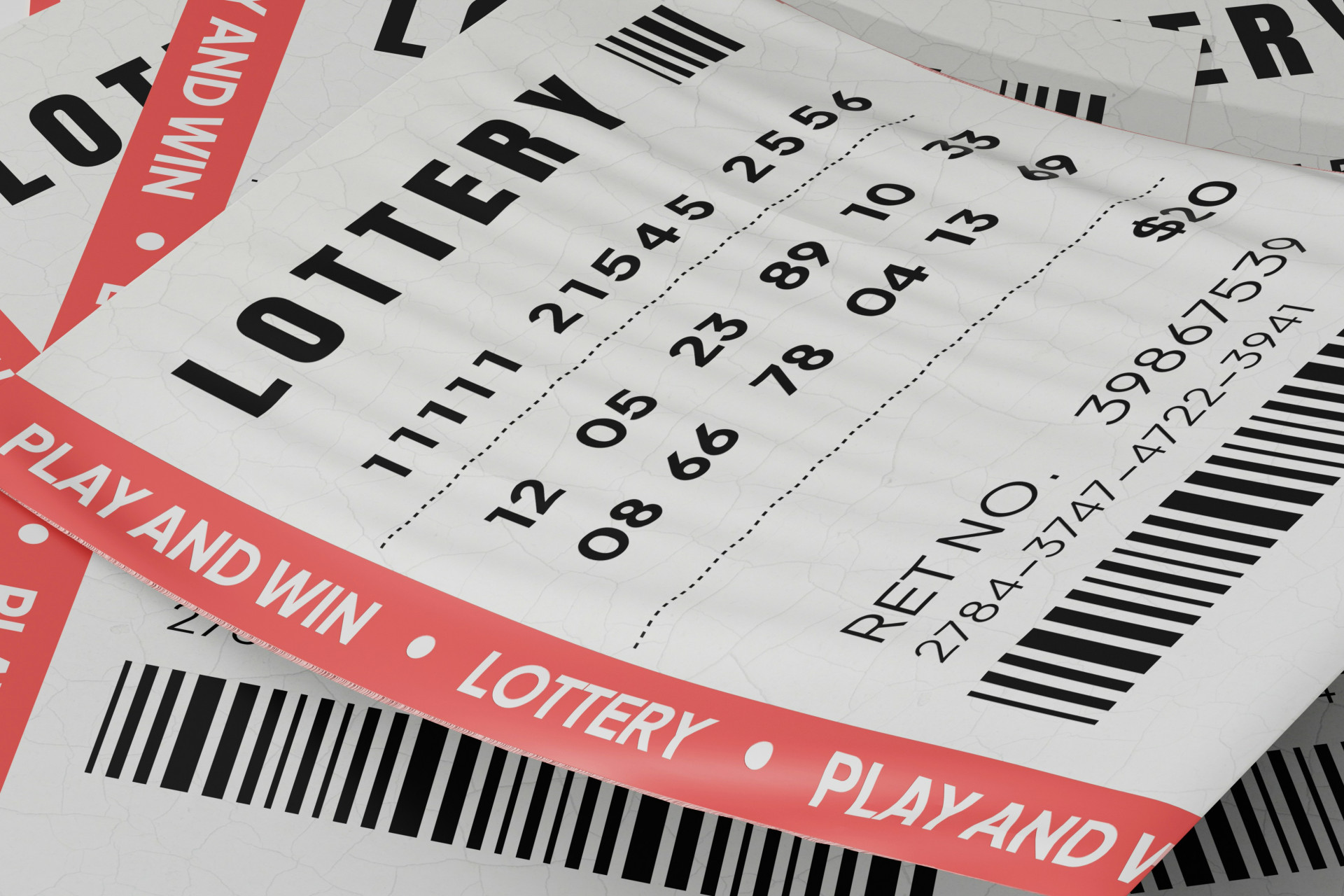
- Sweepstakes vs. Lottery: A lottery also involves chance, but participants must pay to play. Because of this, lotteries are heavily regulated and typically run by state governments. Sweepstakes, on the other hand, must be free to enter to remain legal under U.S. law. If payment or purchase is required, the promotion could be considered an illegal lottery.
- Sweepstakes vs. Contest: In a contest, winners are chosen based on skill, creativity, or performance rather than luck. Examples include essay contests, photo competitions, or trivia challenges. The outcome depends on the participant’s ability, not random selection.
- Sweepstakes vs. Gambling: Gambling involves risking money on an uncertain outcome, such as in poker, sports betting, or casino games. Sweepstakes do not require a wager or payment, and participants cannot influence the result, which keeps them separate from gambling activities.
In short, sweepstakes are the purest form of a chance-based promotion—no payment, no skill, just luck.
Rules and Legal Considerations
Because sweepstakes are so widely used in marketing, they are subject to strict legal guidelines in the United States. Federal and state laws require that no purchase is necessary to enter or win. This is why you often see the phrase “No purchase necessary” in sweepstakes advertisements.
Sponsors must also clearly disclose the official rules, including eligibility requirements, entry deadlines, prize descriptions, and how winners will be selected. Some states, such as New York and Florida, require registration and bonding for sweepstakes with large prize values.
The Federal Trade Commission (FTC) and state attorneys general monitor sweepstakes to ensure they are fair and not misleading. Transparency and equal opportunity are key principles.
Læs også:


Why Are Sweepstakes So Popular?
Part of the enduring appeal of sweepstakes lies in their accessibility and excitement. They offer a sense of possibility—anyone could be the lucky winner, regardless of background or experience. For companies, they are an effective way to engage customers and generate buzz around a product or campaign.
Sweepstakes also tap into a universal fascination with luck and chance. The idea that a simple entry could lead to a big reward captures the imagination and keeps people coming back for more.
A Game of Pure Chance
Sweepstakes remain a simple yet powerful way to create excitement and engagement. Unlike contests or gambling, they rely entirely on luck, not skill or payment. That combination of fairness, accessibility, and anticipation has made sweepstakes a lasting part of American culture—from small local giveaways to nationwide promotions promising life-changing prizes.
Læs også:


