Roulette as a Metaphor for Life: Philosophical and Literary Perspectives on Chance

Roulette as a Metaphor for Life: Philosophical and Literary Perspectives on Chance
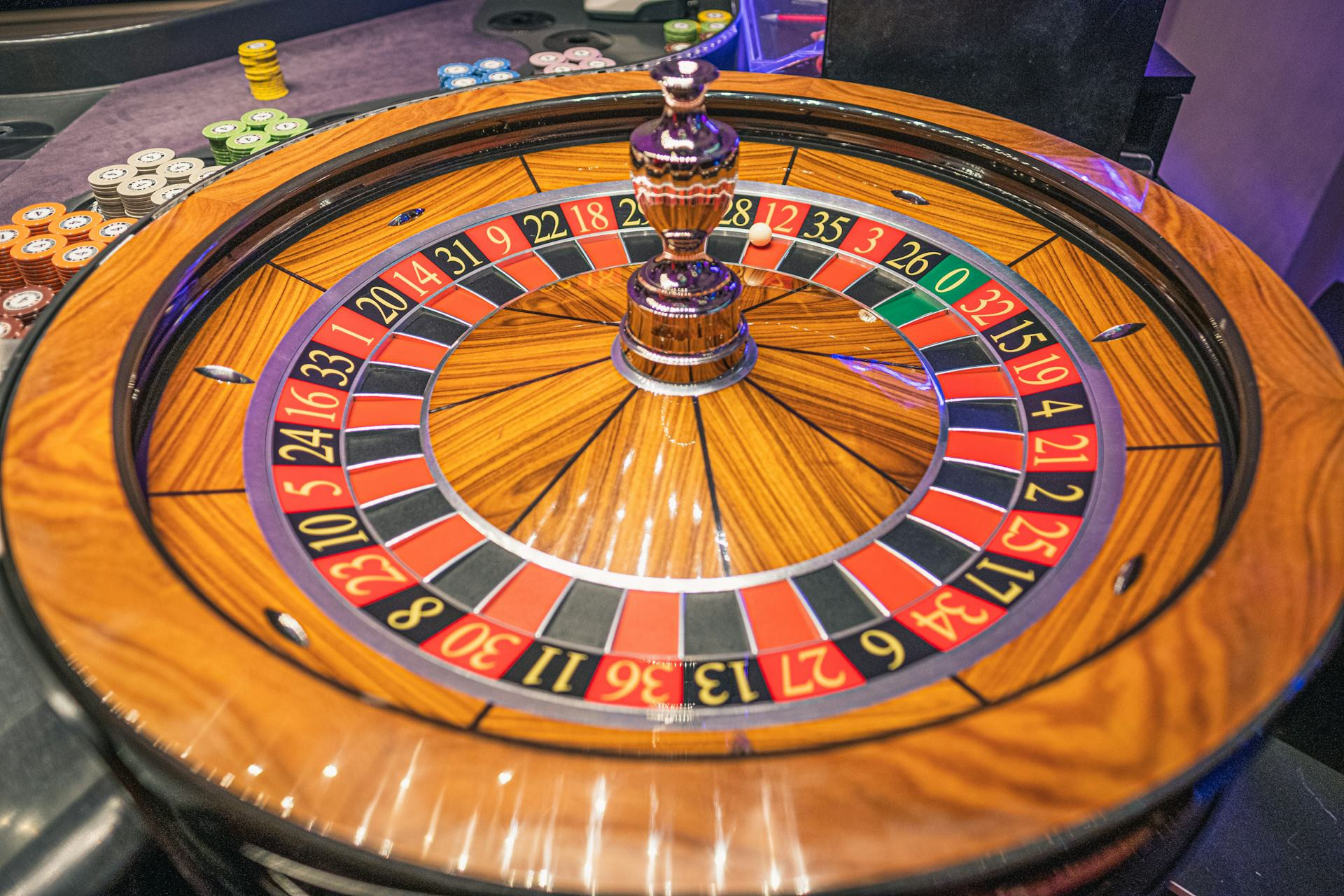
For most people, roulette is a game—a spinning wheel, a bouncing ball, a moment of suspense. Yet behind its simple mechanics lies a deeper symbol: humanity’s relationship with chance, fate, and control. In both philosophy and literature, roulette and other games of chance have often served as mirrors of life’s unpredictability. The wheel becomes a metaphor for our attempts to understand—and perhaps master—the forces we cannot command.
Chance as an Existential Condition
Philosophers have long debated whether life is governed by necessity or by chance. The Stoics believed that everything unfolds according to a rational cosmic order, while existentialists such as Jean-Paul Sartre and Albert Camus saw human beings as thrown into a world without inherent meaning—a world where randomness is a fundamental condition.
The roulette wheel captures this existential tension. We can choose where to place our bets, but we cannot control where the ball will land. It reminds us that while we can act and decide, we can never fully determine the outcome. In that sense, the game becomes a miniature version of life itself: a dance between freedom and uncertainty.
The Literary Allure of the Game
Writers have long been fascinated by gambling as a symbol of human struggle against fate. Fyodor Dostoevsky’s The Gambler remains a classic example. At the roulette table, the protagonist seeks both destruction and redemption; the spinning wheel becomes a judge of his choices and desires. The game is not merely a financial risk but an existential trial.
American literature, too, has explored this theme. In works that depict the glittering yet perilous world of Las Vegas, roulette often stands for the American dream’s volatile mix of hope and hazard. The spin of the wheel captures the thrill of possibility and the fear of loss—emotions that resonate deeply in a culture built on risk-taking and reinvention.
Philosophical Reflections on Control and Surrender
From a philosophical perspective, roulette is not only about luck but about our relationship to control. Humans are pattern-seeking creatures; we look for meaning even in randomness. We convince ourselves that if we observe long enough, we can predict the outcome. Yet the game is designed to resist prediction—just as life resists complete understanding.
The French thinker Blaise Pascal, both mathematician and theologian, saw chance as a sign of human limitation. We can calculate probabilities, but we can never know the result with certainty. In this way, roulette becomes a symbol of modern existence: we live in a world where we can measure almost everything, yet must still accept that much depends on the unpredictable.
The Rhythm of the Wheel and the Rhythm of Life
The motion of the roulette wheel—the constant spin, the brief pause, and then the spin again—can be seen as a reflection of life’s rhythm. We move between moments of control and chaos, between planning and surprise. The wheel reminds us that life cannot be reduced to logic alone. There is always an element of play, of risk, of the unexpected.
Accepting this can be liberating. Instead of fighting against chance, we can learn to live with it—perhaps even to find beauty in its unpredictability. Like the player who watches the wheel turn, we can see each new spin as an opportunity rather than a threat.
Læs også:


When the Game Becomes a Philosophy of Living
Ultimately, roulette as a metaphor for life is about finding balance between action and surrender. We cannot control everything, but we can choose how we respond to what happens. The player who understands the nature of the game may also live with greater calm in the face of life’s uncertainties.
Perhaps that is why roulette continues to fascinate—not only as a game but as a symbol. It reminds us that life is not a fixed equation but a wheel in motion, and that meaning may not lie in the outcome, but in the act of playing itself.
Læs også:


