Roulette Myths: How to Debunk the Most Persistent Misconceptions About the Odds

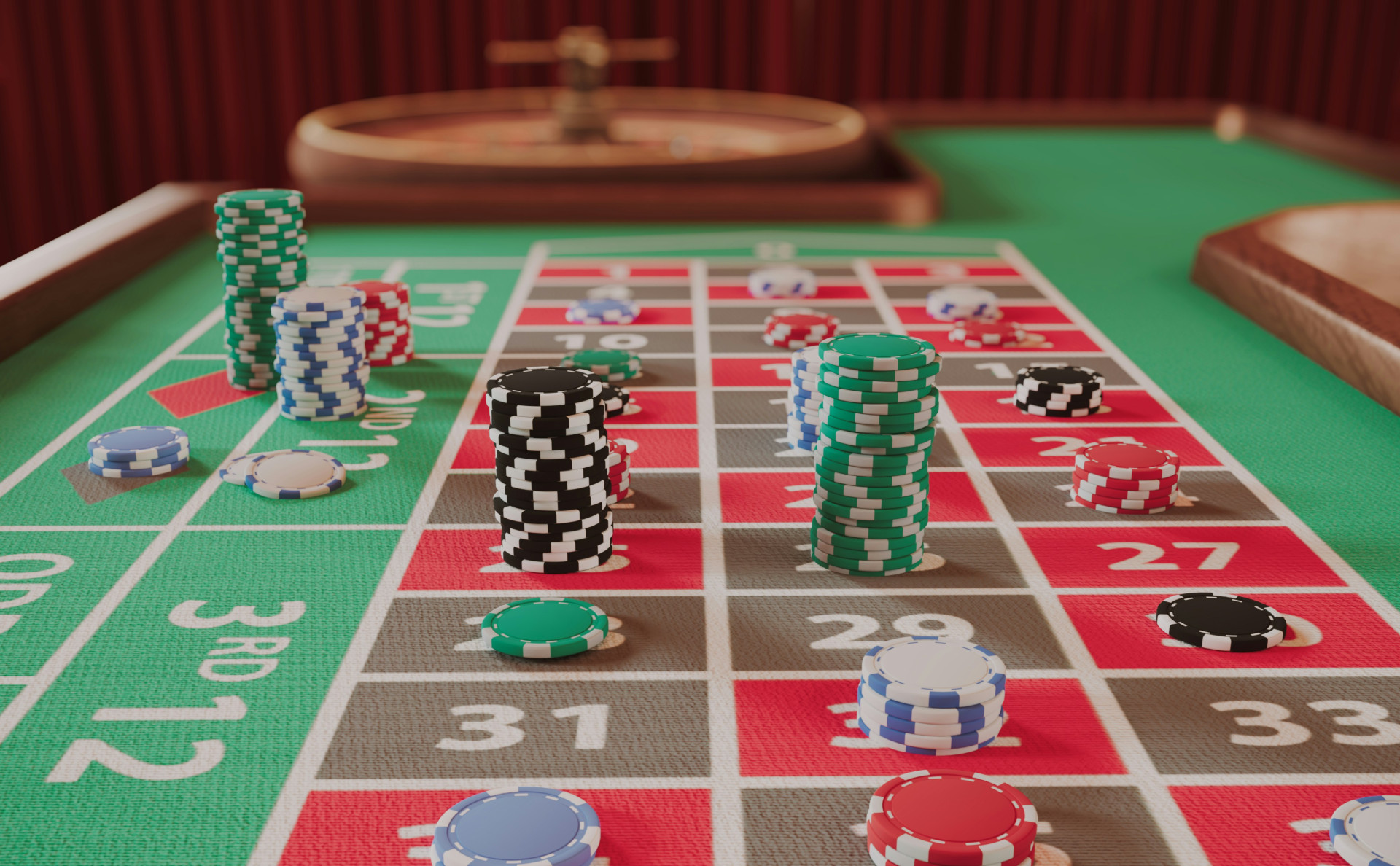
Roulette Myths: How to Debunk the Most Persistent Misconceptions About the Odds
Roulette has long been one of the most iconic games in the casino world. The simple setup — a wheel, a ball, and a bet — makes it both fascinating and surrounded by myths. Because the rules seem so straightforward, many players believe they can “beat” the game with the right strategy. In this article, we’ll look at the most common roulette myths and explain why they don’t hold up under scrutiny.
Myth 1: “Red and black always alternate”
One of the most persistent beliefs is that the colors on the roulette wheel follow a pattern — that if the ball has landed on red several times in a row, black is “due” next. This is known as the gambler’s fallacy, and it’s a classic misunderstanding of probability.
In reality, each spin is completely independent of the previous one. The odds of red or black don’t change based on past results. On an American roulette wheel, there are 18 red pockets, 18 black pockets, and two green pockets (0 and 00). That means the chance of red is always 18 out of 38 — no matter what happened before.
Myth 2: “The Martingale system guarantees a win”
The Martingale system is one of the most famous betting strategies. The idea is simple: double your bet every time you lose so that when you finally win, you recover all previous losses plus a small profit. It sounds logical in theory, but in practice, it’s extremely risky.
First, it assumes you have an unlimited bankroll — which no one does. Second, casinos have table limits that prevent you from doubling indefinitely. A short losing streak can quickly lead to massive bets, and even a few unlucky spins can wipe out your funds. The Martingale system doesn’t change the odds; it only changes how fast you can lose.
Myth 3: “You can predict where the ball will land”
Some players believe they can detect patterns in the wheel’s motion or the ball’s speed and use that to predict outcomes. In reality, modern roulette wheels are engineered to be as random as possible. Tiny variations in speed, friction, and angle make it impossible to predict the result with any accuracy.
In online roulette, randomness is ensured by random number generators (RNGs), which are tested and certified by independent agencies. Any attempt to “read” the game is a waste of time.
Myth 4: “The zero is just bad luck”
Many players see the green zero (and double zero) as an unlucky space that “ruins” the game. But the zeros are actually what give the casino its edge. Without them, the game would be perfectly even between player and house. With one or two zeros, the house gains a small statistical advantage — about 2.7% in European roulette and 5.26% in American roulette.
That doesn’t make zero “unlucky” — it’s simply part of the game’s mathematical design. Understanding this edge is key to playing with realistic expectations.
Myth 5: “You can find a ‘hot’ or ‘cold’ wheel”
In the early days of roulette, when wheels were used for years without precise calibration, small mechanical imperfections could make certain numbers appear more often than others. This gave rise to the myth of “hot” and “cold” wheels.
Today, however, roulette wheels in U.S. casinos are carefully maintained and regularly tested to ensure fairness. It’s extremely unlikely that any modern wheel favors specific numbers. If you think you’ve spotted a pattern, it’s almost certainly just coincidence.
Læs også:




Myth 6: “Experience makes you better at roulette”
Roulette is a game of chance, not skill. Experience can help you understand the rules, manage your bankroll, and stay calm, but it doesn’t change the underlying probabilities. There’s no strategy that can give you a long-term edge over the house.
The best approach is to play responsibly, know the odds, and treat roulette as entertainment — not as a way to make money.
Playing with realistic expectations
Debunking these myths isn’t about taking the fun out of roulette — it’s about understanding what makes the game exciting in the first place. Roulette is thrilling precisely because the outcome is unpredictable. When you know the odds and avoid common misconceptions, you can enjoy the game in a smarter, healthier way.
Set a budget, play for fun, and remember: every spin is a new, independent event. That’s the only “strategy” that always works.
Læs også:


