Roulette in Art: When the Game Has Inspired Writers and Filmmakers

Roulette in Art: When the Game Has Inspired Writers and Filmmakers
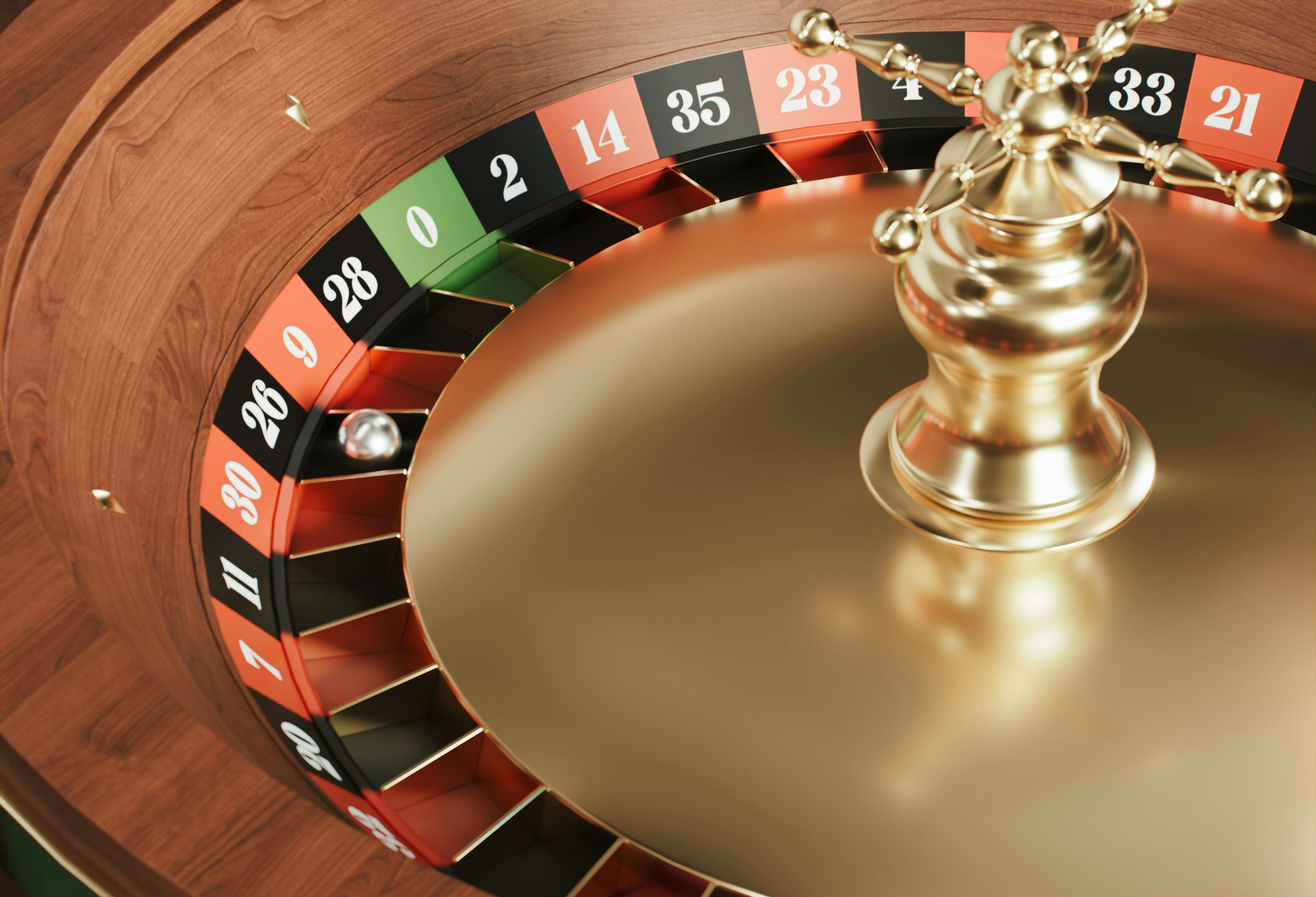
Roulette is more than a spinning wheel and a bouncing ball. It’s a symbol of fate, risk, and humanity’s enduring fascination with chance. Perhaps that’s why roulette has repeatedly found its way into literature, film, and visual art—as a metaphor for both hope and downfall. In this article, we explore how the game has inspired writers and filmmakers, and why it continues to hold a special place in the artistic imagination.
The Wheel of Fate in Literature
In literature, roulette often mirrors the human struggle with destiny. One of the most famous examples is Fyodor Dostoevsky’s The Gambler (1867), written by an author who knew the lure of the casino firsthand. The novel tells the story of a man consumed by his obsession with the roulette table. But beyond the gambling, it’s a story about addiction, hope, and self-destruction. The wheel becomes a symbol of life’s unpredictability and the fragile balance between control and chaos.
Later writers have also turned to roulette as a motif. In the 20th century, authors used the game to reflect the randomness and uncertainty of modern life. Graham Greene’s Loser Takes All (1955), for instance, uses the casino as a stage for exploring luck, morality, and the fragility of love. For Greene, roulette is not just a game—it’s an existential test.
American writers, too, have found meaning in the spin of the wheel. In works set in Las Vegas or Atlantic City, roulette often represents the American dream’s volatile mix of ambition and risk. The game becomes a metaphor for the pursuit of fortune and the thin line between success and ruin.
Roulette on the Silver Screen
Few cinematic images are as instantly recognizable as the roulette wheel. From the glamorous casinos of Monte Carlo to the neon glow of Las Vegas, roulette has served as a backdrop for romance, deception, and life-changing decisions.
One of the most iconic roulette scenes appears in Casablanca (1942), where the game becomes a symbol of hope and sacrifice. In another corner of film history, the James Bond franchise has made roulette—and casino games in general—synonymous with sophistication and danger. When Bond places his bets, he embodies the cool confidence of someone who understands both risk and reward.
Roulette works so well on screen because it’s inherently visual and suspenseful. The spinning wheel, the bouncing ball, the collective breath held as it slows—these moments capture the essence of chance and fate. Filmmakers use roulette to heighten tension, to mark turning points, or to reveal a character’s willingness to gamble everything.
A Motif in Visual Art
Roulette has also inspired painters and contemporary artists. In the early 20th century, modernists were drawn to the casino’s energy, color, and movement. Artists like Fernand Léger and others in the Cubist and Futurist circles used the imagery of roulette to express the rhythm and dynamism of modern life.
In more recent decades, conceptual artists have reimagined roulette as a commentary on society. Some installations invite viewers to spin the wheel themselves, turning the act of gambling into a metaphor for participation and uncertainty in everyday life. Others use roulette as a symbol of economic instability, political risk, or digital addiction. The game becomes a mirror of our times—an age defined by volatility and chance.
Læs også:


Why Roulette Continues to Fascinate
Roulette’s enduring appeal lies in its dual nature: it’s both simple and deeply symbolic. On the surface, it’s a game of luck. Beneath that surface, it raises questions about free will, destiny, and our desire to challenge the unknown. Writers and filmmakers return to roulette again and again because it allows them to explore these timeless themes in a vivid, tangible way.
At the same time, roulette carries an aura of glamour, suspense, and forbidden excitement—qualities that have always captivated artists and audiences alike. It’s a game where everything can change in an instant, where one spin can alter a life. That sense of possibility, of risk and revelation, ensures that roulette will keep spinning not only in casinos, but also in the imagination of storytellers and artists for generations to come.
Læs også:


